Need Professional counselor? Book Schedule Now
Kandiwali West, Mumbai, Maharashtra, India
10 PM – 6 PM
+91-9920394646
To Book an Appointment
EXPERT CARE
Our clinic is running for the last 20 years and has helped thousands of patients take control of their Diabetes and live a happier and healthier lives. Our Diabetes Clinic focuses on both Type 1 and Type 2 diabetes patients. Our areas of focus and interest include:
– Newly diagnosed diabetes patients
– Poorly controlled diabetes patients
– Diabetes patients with difficult to control cholesterol or high blood pressure
– Patients on oral medications or insulin therapy
– Patients on an insulin pump or interest in insulin pump therapy
– Non-pregnant patients with diabetes considering pregnancy, for pre-pregnancy counseling
– Gestational Diabetes Mellitus

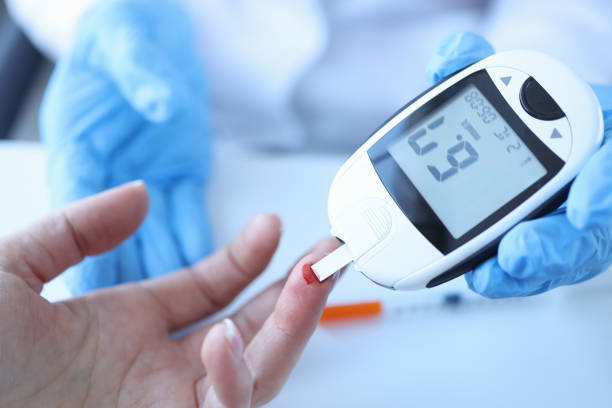
Type 1 & 2 Diabetes Treatment
Diabetes is a chronic disease in which a person’s blood glucose (sugar) level rises too high.
The pancreas produces the hormone insulin, which regulates the quantity of glucose in the bloodstream.
There are two forms of Diabetes: Type 1 and Type 2.
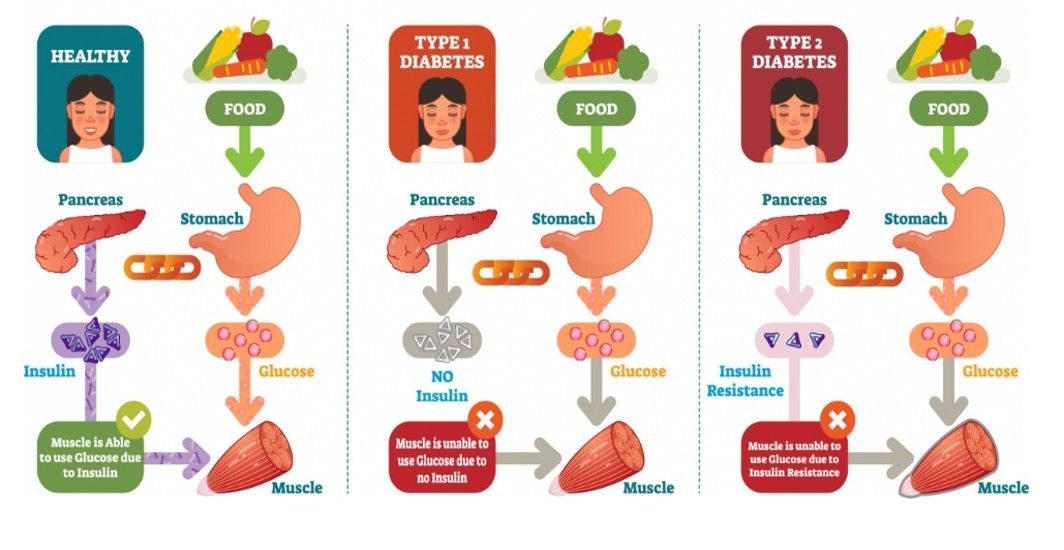
- Type 1 diabetes is characterized by the absence of insulin production by the pancreas.
- Type 2 diabetes occurs when the pancreas does not create enough insulin or when the body’s cells do not respond to it.
Gestational diabetes is also a kind of diabetes that affects some pregnant women and usually goes away once the baby is born.
Frequently Asked Questions
Type 1 diabetes can strike at any age, but it is most common before the age of 40, especially in children. Type 1 diabetes accounts for about 10% of all diabetes cases.
The pancreas (a tiny gland beneath the stomach) gradually decreases the amount of insulin (the hormone that regulates blood glucose levels) it produces until it produces none at all in type 1 diabetes.
If the blood glucose level is excessively high, it can cause severe harm to the body’s organs over time.
Diabetes symptoms arise due to lack of insulin, which causes glucose to remain in the blood and not be utilized as a source of energy.
Your body attempts to lower blood glucose levels by excreting extra glucose in your urine.
- Feeling extremely thirsty
- Passing pee more frequently than usual, especially at night
- Extreme fatigue
- Weight loss and muscle mass loss
- Cuts or ulcers that take a long time to heal
- Impaired vision due to frequent vaginal or penile thrush
Diabetes must be detected as soon as possible because if left untreated, it will become increasingly difficult to manage and can also cause other problems like a diabetic foot or kidney failure in some cases.
- Type 1 diabetes is an autoimmune disease in which the immune system (the body’s natural defence against infection and illness) misidentifies and targets the cells in your pancreas.
- Your body will break down fat and muscle if you don’t take insulin, resulting in weight reduction. Diabetic ketoacidosis is a dangerous short-term syndrome caused by this. When the blood turns acidic, deadly levels of ketones build up in the bloodstream, you become extremely dehydrated.
- As a result, the body is unable to create insulin, which is needed to transport glucose from the bloodstream to your cells, where it can be used for energy. Type 1 diabetes is the name for this condition.
- When the body does not create enough insulin to operate effectively, or when the body’s cells do not react to insulin, type 2 diabetes develops. This means that glucose remains in the bloodstream and is not utilized as a source of energy.
- Type 2 diabetes is frequently linked to obesity and is more commonly diagnosed in older adults. Type 2 diabetes is now being detected in young people of all ages as a result of rising obesity rates. Type 2 diabetes is significantly less common than type 1.

Although diabetes cannot be cured, treatment helps to keep your blood glucose levels as normal as possible and regulate your symptoms to avoid health problems later in life.
You’ll be referred to a diabetologist for treatment and monitoring if you’re diagnosed with diabetes.
Because your body can’t make insulin, you’ll need to take insulin injections regularly to keep your blood sugar levels in check. You’ll learn how to do this, as well as how to match the insulin you inject to the food (carbohydrate) you eat. Taking into account your blood glucose level and the amount of exercise you undertake.
Insulin injections come in a variety of types, each of which works in a slightly different way. You’ll very certainly require a mixture of insulin formulations.
Insulin is given to some patients by a continuous infusion of fast (rapid) acting insulin (pump therapy). This is where a small device constantly pumps insulin (at a rate you control) into your bloodstream through a plastic tube (cannula) that’s inserted under the skin with a needle.
There are alternatives to insulin injections and pumps, but they’re only suitable for a small number of patients. They are:
Some patients get insulin by a continuous infusion of quick (rapid) acting insulin (pump therapy). A small device continuously feeds insulin into your circulation (at a rate you control) through a plastic tube (cannula) put under the skin with a needle.
- Alternatives to insulin injections and pumps exist; however, it is appropriate for a select group of patients.
- Islet cell transplantation – when healthy insulin-producing cells from a deceased donor’s pancreas are implanted into the pancreas of someone with type 1 diabetes
- Complete pancreas transplant – which is still rather uncommon, with just a few transplant centres offering it.
Changes in your diet, as well as medicines and insulin, may be used for type 2 diabetes treatment in Andheri, depending on how your blood glucose levels respond. Planned weight loss early in the course of type 2 diabetes can potentially reverse the condition.
If you have type 1 diabetes, you must take special care of your health. Taking care of your health will make it easier to manage your diabetes and reduce your risk of complications.
Eating a healthy, balanced diet and exercising regularly, for example, will lower your blood glucose level. If you quit smoking, it will lower your chances of acquiring cardiovascular disease.
If you have diabetes, you’re at risk for diabetic retinopathy, a condition that is left untreated, can lead to blindness. Everyone with diabetes who is 12 years or older should get their eyes checked once a year.
We at Diabetes and Wellness Clinic specialize in diabetes and health. You must learn how to manage your diabetes on your own. We at diabetes and wellness clinic are here to help you lead a healthy and happy life with diabetes.
Stay up to date
+91-9920394646
Contact Us
Kandiwali West, Mumbai, Maharashtra, India
+91-7710034954
support@example.com
Quick Links
Our Servies
Working Hours
9AM To 7PM
Find out about the different types of cancer, including symptoms, tests and treatment.